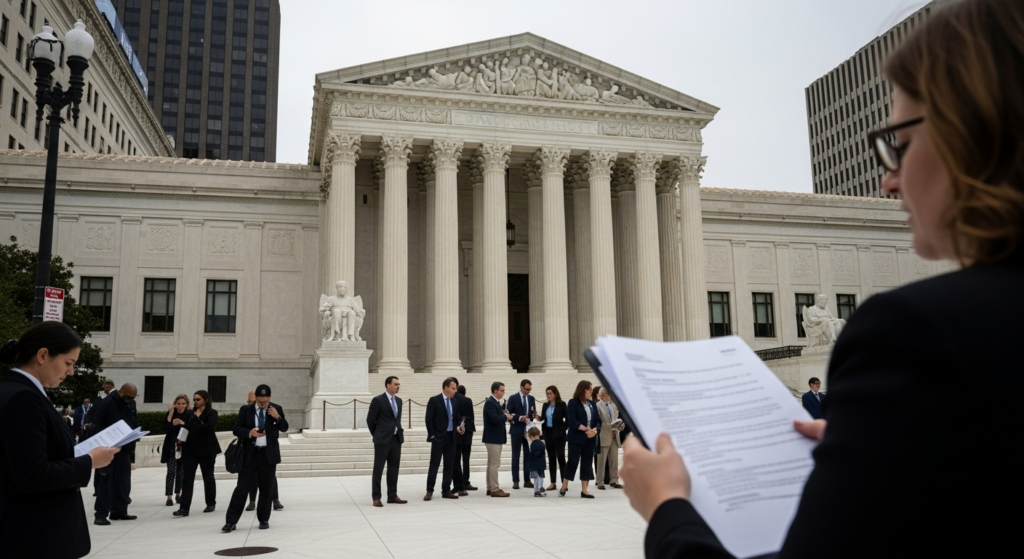
The U.S. Supreme Court’s upcoming term is set to tackle a series of high-profile cases that could reshape national policy on gun control, voting access, and the intersection of religious freedom and LGBT rights. The docket, as it currently stands, includes disputes over the legality of restrictions on assault-style rifles, challenges to voter-registration rules, and questions surrounding religious exemptions in cases involving LGBT individuals.
The inclusion of these cases signals a potentially contentious period for the nation’s highest court, with rulings expected to have far-reaching implications. The legal battles will delve into constitutional interpretations and federal regulatory authority, drawing scrutiny from various advocacy groups and legal scholars.
Among the anticipated cases are those challenging state and federal regulations on firearms, particularly concerning the sale and possession of certain semi-automatic rifles. These cases often hinge on the interpretation of the Second Amendment and the scope of permissible gun control measures.
Similarly, the court is expected to hear arguments concerning the administration of elections. Disputes over voter-registration requirements, ballot access, and the integrity of electoral processes are central to these cases. The outcomes could influence how elections are conducted and how voters are able to participate.
Another significant area of focus involves the rights of lesbian, gay, bisexual, and transgender individuals in relation to religious freedom claims. These cases often explore the balance between non-discrimination protections and the rights of individuals or organizations seeking religious exemptions from certain laws or mandates.
The court’s deliberations on these matters are routed through political and courts review due to their entanglement with election rules, constitutional claims, and federal government litigation. The justices will be tasked with navigating complex legal arguments and societal considerations.
Legal observers are closely watching the development of the docket, anticipating that the court’s decisions will set significant precedents. The cases represent a confluence of deeply held beliefs and legal principles, underscoring the court’s role in resolving some of the nation’s most pressing social and political issues.
Ann Arbor, like communities across the country, will be indirectly affected by these landmark decisions. The legal frameworks established by the Supreme Court can influence state laws, local ordinances, and the daily lives of residents concerning gun ownership, voting rights, and protections for all citizens.