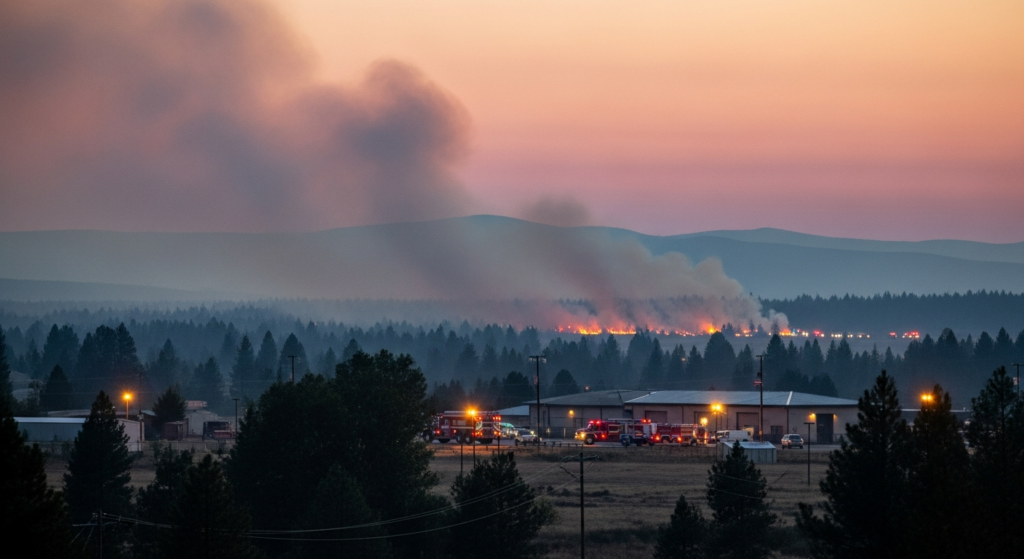
Twelve people have died as a result of wildfires raging in southern Spain, according to multiple reports. The fires have created a fast-moving and deadly situation, necessitating extensive emergency response operations.
The scale of the emergency response underscores the severity of the blazes. Firefighting crews and other emergency personnel are engaged in efforts to contain the fires and manage the immediate aftermath. The situation remains dynamic, with ongoing concerns for evacuation and the broader risks associated with extreme heat and fire conditions.
Details regarding the specific locations and circumstances of the fatalities are emerging, but the confirmed death toll indicates a significant loss of life. The fires are described as rapidly spreading, complicating containment efforts and posing immediate threats to communities in the affected regions.
Emergency coverage has focused on the immediate dangers and the logistical challenges faced by responders. The fast-moving nature of the fires means that the situation can change rapidly, requiring constant vigilance and adaptation from those on the ground.
The ongoing wildfire crisis in southern Spain serves as a stark reminder of the destructive potential of such events, particularly in environments susceptible to extreme heat and dry conditions. The emergency response is a critical component in mitigating further loss and managing the immediate impact on affected populations.
While the direct impact of these wildfires is geographically confined to southern Spain, the nature of the emergency response and the associated risks are relevant to understanding the broader challenges posed by such natural disasters. The focus remains on the factual reporting of the event, the human cost, and the ongoing efforts to address the crisis.
Why it matters in Ann Arbor
While the wildfires are occurring thousands of miles away in southern Spain, the reporting on such events provides a framework for understanding the critical role of emergency response and the potential consequences of rapidly escalating natural disasters. For institutions like the University of Michigan’s School for Environment and Sustainability, which studies climate impacts and disaster preparedness, the unfolding situation offers a real-world case study. The event underscores the importance of robust emergency management systems and the need for clear, factual communication during crises. The focus on evacuation and heat-risk awareness in the reporting is particularly relevant for communities that may face similar challenges, even if the immediate threat is different. Understanding the scale of response and the human toll in Spain can inform preparedness and response strategies for local entities, including emergency services within Washtenaw County.