As the golf world turns its attention to the 2026 Open Championship at Royal Birkdale, enthusiasts in Ann Arbor can find parallels between the challenges faced by the professionals and the daily realities of their own local courses. The intricate dance of weather, course conditioning, and strategic play that defines a major championship offers a lens through which to view the management of Ann Arbor’s own golf facilities and the development of its junior golfers.
Major golf tournaments, particularly The Open, are often defined by their course conditions. Factors such as the firmness of the fairways, the speed of the greens, the prevailing wind, and the strategic placement of hazards like bunkers all play a critical role in shaping the competition. Spectators and players alike will be scrutinizing how these elements influence shot-making and scoring at Royal Birkdale. The ebb and flow of play, often dictated by tee-time waves and the ever-present possibility of changing weather, creates a dynamic narrative that unfolds over the course of the championship.
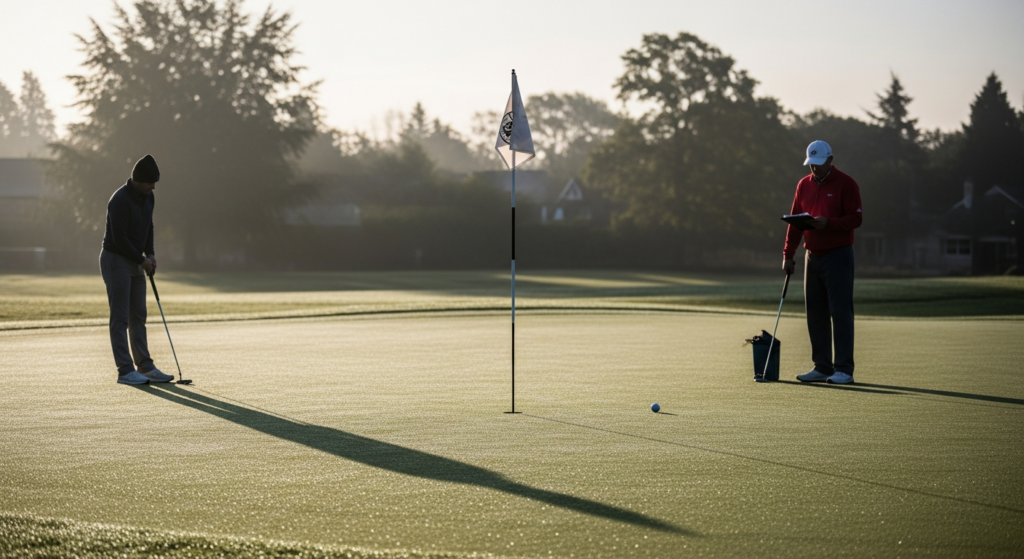
For golfers in Ann Arbor, these same principles of course management are not abstract concepts but daily operational concerns. Municipal courses and private clubs alike must contend with the impact of Ann Arbor’s summer weather on turf health. Maintaining firm fairways, consistent green speeds, and well-maintained bunkers requires ongoing attention to agronomy, irrigation, and drainage. The strategies employed by groundskeepers at a major championship venue, while operating at a different scale, share fundamental similarities with those used to keep local Ann Arbor fairways playable and greens true.
Furthermore, the development of junior golf programs in Ann Arbor can draw lessons from the professional game. The focus on foundational skills, strategic thinking, and adapting to varying conditions is paramount for young players. Observing how professionals navigate challenging course setups and weather patterns can provide valuable insights for junior golfers and their coaches. This includes understanding the importance of practice rounds, scouting the course, and developing a mental approach to the game that accounts for external factors.
Ann Arbor’s golf community, whether participating in league play at a local course or simply following the professional tours, can deepen their appreciation by understanding the underlying course-management storylines. The challenges presented at a links course like Royal Birkdale, with its exposure to coastal winds and firm, sandy conditions, offer a unique set of variables. These variables, while distinct from the parkland or more manicured courses common in the Ann Arbor area, highlight the universal importance of a well-maintained and strategically challenging playing surface.
Local golf enthusiasts can also look to the junior programs and amateur events that take place throughout the summer in and around Ann Arbor. These events, while not on the scale of The Open, provide opportunities to witness firsthand the application of golf fundamentals and the challenges of local course conditions. The dedication of junior golfers and the efforts of local clubs to provide accessible playing opportunities reflect a shared commitment to the sport that resonates with the professional game’s highest levels.
By paying attention to the course condition narratives during major championships, Ann Arbor golfers can gain a richer understanding of the sport. This awareness can translate into a more informed appreciation for the work that goes into maintaining their own courses and a greater understanding of the skills required to excel at all levels of the game. The connection between the global stage of professional golf and the local fairways of Ann Arbor lies in the shared pursuit of excellence in course management and player development.
Section: More Ann Arbor MI sports news
Ann Arbor sports business profiles
Filed under: Ann Arbor MI Sports News
More coverage: Ann Arbor MI golf