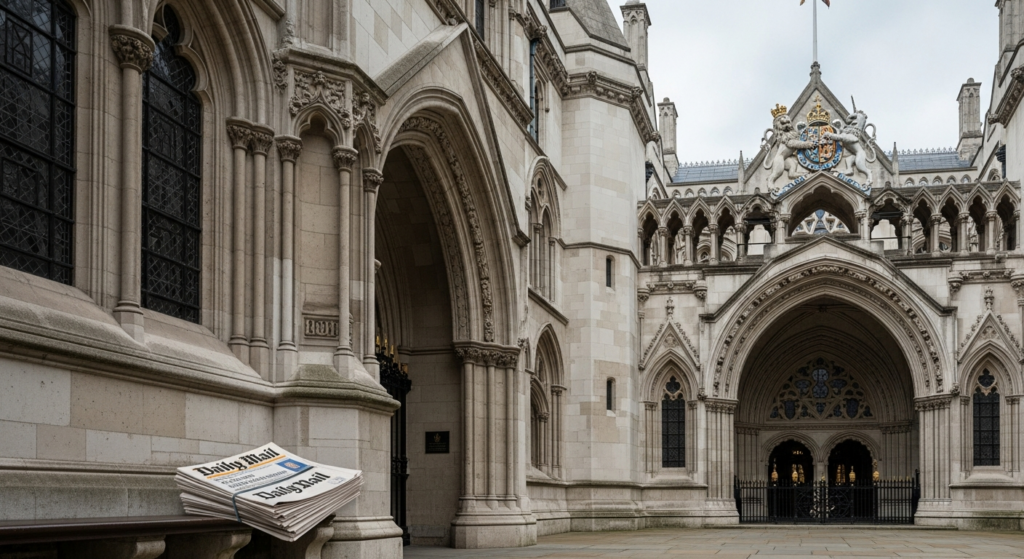
Prince Harry has seen the final claims in his privacy lawsuit against the publisher dismissed by a London court. The ruling marks the end of a significant legal battle initiated by the Duke of Sussex against Associated Newspapers Ltd. (ANL), which publishes the reports, Mail on Sunday, and.
The court’s decision means that the remaining allegations of unlawful information gathering and breaches of privacy brought by Prince Harry against ANL have been rejected. This outcome follows earlier proceedings in the case, which had already seen some of his claims struck out. The legal action was part of a broader trend of public figures pursuing publishers over alleged misuse of private information and intrusive journalistic practices.
Details of the specific claims and the court’s reasoning for their dismissal were not immediately available in local Ann Arbor sources. The case, originating in the United Kingdom, has garnered widespread attention from entertainment and national news outlets, reflecting its prominence in the ongoing discourse surrounding media conduct and privacy rights.
While the legal proceedings took place in London, the implications of such privacy rulings can resonate globally, influencing how media organizations approach reporting and how individuals, particularly those in the public eye, seek to protect their personal information. The legal framework governing privacy and media intrusion varies significantly by jurisdiction, but high-profile cases often set precedents or highlight existing legal standards.
This particular lawsuit was one of several legal actions Prince Harry has pursued against British tabloid publishers. His legal team had argued that ANL engaged in unlawful practices to obtain private information, which were then published in its newspapers. ANL, in turn, has consistently denied wrongdoing, defending its editorial conduct and challenging the basis of the claims.
The dismissal of the remaining claims represents a setback for Prince Harry in his legal efforts against the publisher. The court’s final judgment will likely be scrutinized for its detailed analysis of the evidence presented by both sides. The legal process involved extensive filings and arguments concerning the application of privacy laws and the definition of unlawful conduct in journalism.
Ann Arbor residents, like individuals elsewhere, are subject to the evolving landscape of privacy laws and media ethics. While this specific case is rooted in British law, the underlying issues of privacy invasion and the rights of individuals against powerful media entities are matters of ongoing public interest. The outcome of such high-stakes litigation can influence public perception and potentially inform future legislative or regulatory discussions, even if the direct legal impact on Ann Arbor is limited.
The case underscores the complexities of balancing freedom of the press with the right to privacy, a tension that is continually debated in legal and public forums. The court’s decision in this instance has definitively closed this chapter of Prince Harry’s legal pursuit against Associated Newspapers Ltd.