The rapid expansion of data centers, particularly those supporting artificial intelligence (AI) workloads, is placing unprecedented strain on electrical grids and prompting a closer examination of utility planning and local land-use policies. This trend, widely reported across business and technology news, highlights a critical intersection between technological advancement and essential infrastructure.
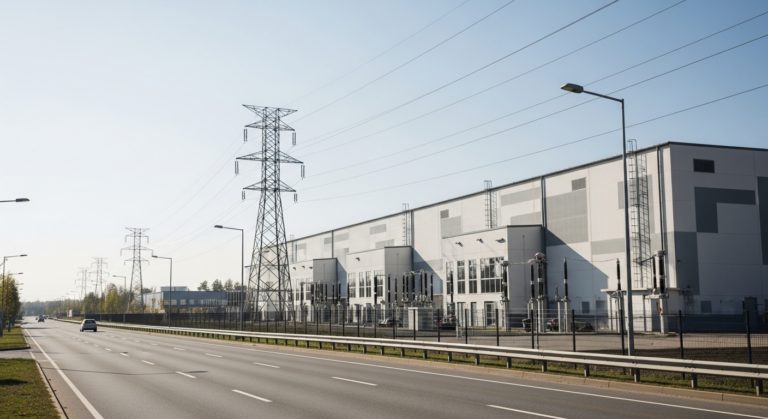
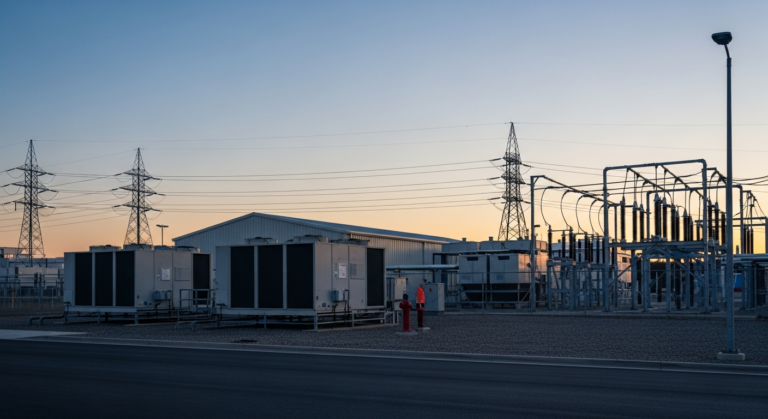
AI data centers are notoriously power-intensive. Their computational needs require significant and constant electricity, far exceeding the demands of traditional data storage facilities. This surge in demand is forcing utility providers to assess their current capacity and forecast future needs with greater urgency. The challenge lies not only in meeting peak demand but also in ensuring a stable and reliable power supply for all consumers.
Grid capacity has emerged as a significant factor in the site selection process for new data centers. Developers are increasingly looking for locations with access to robust and expandable power infrastructure. This has led to a complex interplay between economic development goals and the practical limitations of existing energy networks. Local economic development debates are now frequently shaped by discussions about grid readiness, the potential for new power generation, and the environmental implications of increased energy consumption.
Utility companies are responding by accelerating investments in grid modernization and exploring new energy sources. This includes upgrading transmission and distribution lines, integrating more renewable energy sources, and potentially developing new power generation facilities. The long lead times associated with such infrastructure projects mean that current planning must anticipate demand that may not materialize for several years, adding a layer of complexity to forecasting and investment decisions.
Furthermore, the siting of large, power-hungry facilities like AI data centers can influence local zoning regulations and land-use planning. Municipalities are grappling with how to accommodate this new wave of industrial development while balancing the needs of existing residents and businesses. Questions arise about the impact on local power rates, the availability of workforce skilled in managing advanced energy systems, and the overall environmental footprint of the region.
The push for AI capabilities is not a localized phenomenon but a national and global trend. However, its impact is felt acutely at the local level, where utility providers and municipal governments are on the front lines of managing the consequences. The decisions made today regarding grid infrastructure, energy procurement, and land use will have long-lasting effects on the economic competitiveness and environmental sustainability of communities like Ann Arbor.
Ann Arbor, with its strong ties to technology research and development, is positioned to experience these pressures. The presence of institutions like the University of Michigan and a growing tech sector means that the city is a potential hub for AI-related activities. This necessitates proactive engagement with utility providers, such as DTE Energy, and careful consideration of how to integrate such demands into the city’s long-term energy and development plans. The challenge is to foster innovation without compromising the reliability and affordability of power for all residents and businesses in Ann Arbor.