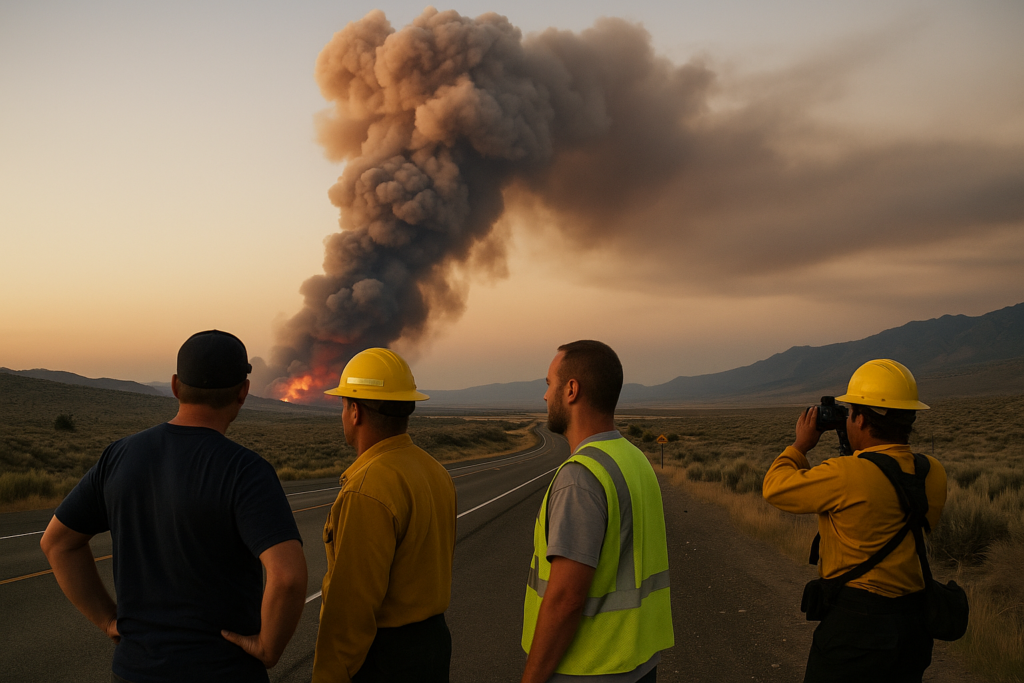
Local officials in Ann Arbor are closely monitoring air quality as wildfires in the Western United States continue to burn, sending smoke across various regions. The Cottonwood-area wildfire in Utah, which has prompted emergency declarations, is one of the major fires affecting air quality and visibility. With holiday travel approaching, the implications of this wildfire extend beyond its immediate vicinity, raising concerns for travelers and residents alike.
The Michigan Department of Environment, Great Lakes, and Energy (EGLE) has issued advisories regarding potential air quality issues due to the smoke. Residents are advised to stay informed about air quality levels, especially those with respiratory conditions or other health vulnerabilities. The smoke can lead to increased levels of particulate matter, which poses health risks if inhaled over extended periods.
In addition to health concerns, the wildfire situation poses challenges for holiday travel plans. As families prepare for summer trips, the possibility of smoke impacting visibility and air quality could alter travel routes and plans. Local travel agencies are advising customers to check air quality reports before embarking on their journeys.
The impact of wildfires on air quality is not a new phenomenon, but the frequency and intensity of these fires have increased in recent years, prompting state and local officials to enhance their emergency response strategies. In Ann Arbor, the public health department is working in conjunction with environmental agencies to provide real-time updates to residents. This collaboration aims to ensure that the community is well-informed and prepared for any potential air quality advisories.
While the focus remains on the immediate effects of the wildfires, experts are also discussing the long-term implications of climate change on wildfire activity. As temperatures rise and conditions become more favorable for wildfires, the risk to communities across the country is expected to increase. This has led to calls for more robust measures to address climate resilience and public health preparedness.
In the meantime, residents are encouraged to take precautions, such as staying indoors when air quality is poor and using air purifiers to mitigate the effects of smoke. Schools and local organizations are also preparing to share information about how to protect oneself from the harmful effects of smoke exposure.
As the situation develops, Ann Arbor’s officials are committed to keeping the community informed and safe. They are working diligently to monitor air quality and provide updates as necessary, ensuring that residents have the information they need to make informed decisions during this challenging time.