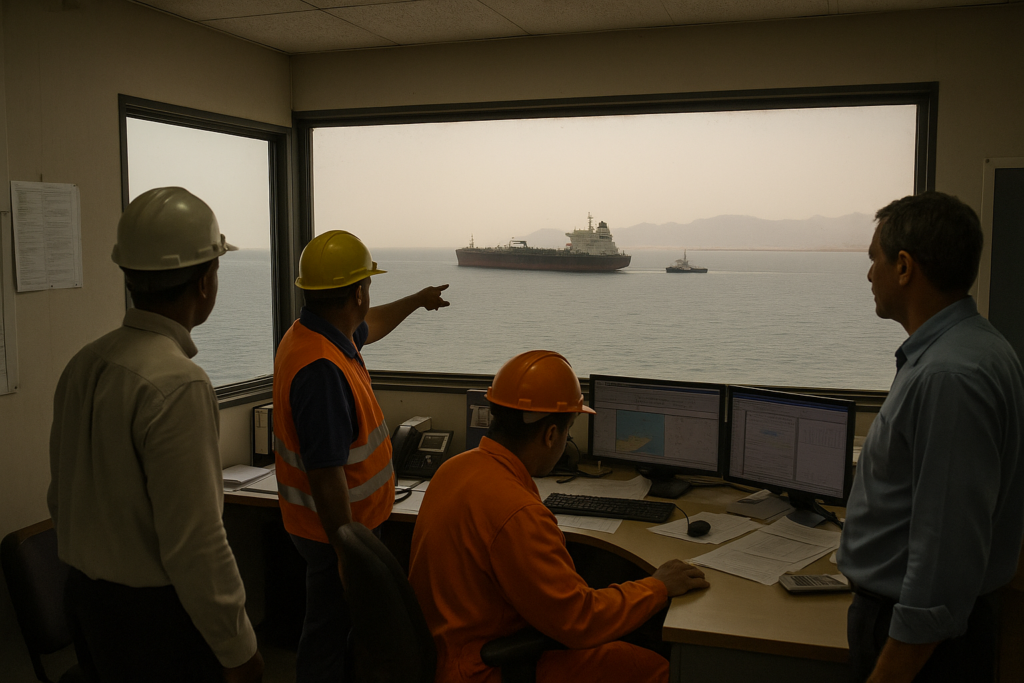
Recent developments in maritime shipping have seen a significant shift in the routes taken by vessels traversing the Strait of Hormuz. Following a series of warnings and incidents involving nearby vessel attacks, ships are increasingly choosing to navigate through Oman-side passages. This change comes as the Strait of Hormuz remains a critical artery for global oil shipping, with approximately 20% of the world’s petroleum passing through this narrow waterway.
The decision to alter shipping routes is largely influenced by heightened concerns over safety and security in the region. The Strait of Hormuz has been the focal point of geopolitical tensions, particularly involving Iran, which has issued warnings to vessels in the area. As a result, shipping companies are taking proactive measures to mitigate risks, opting for routes that may offer greater safety despite potential increases in transit times or costs.
Industry experts note that the implications of this shift extend beyond immediate safety concerns. The energy market is likely to feel the effects, as changes in shipping patterns can influence oil prices and supply chains globally. For instance, if shipping routes become less reliable due to geopolitical tensions, it could lead to increased costs for oil transportation, which may ultimately be passed on to consumers.
Moreover, the reliance on Oman-side passages underscores the importance of regional cooperation and stability. Oman has historically maintained a neutral stance in regional conflicts, making its waters a more attractive option for shipping companies seeking to avoid potential confrontations. This shift in shipping practices could also lead to increased economic activity in Oman, as more vessels utilize its ports and facilities.
As the situation develops, stakeholders in the energy market will be closely monitoring these changes. The ongoing evolution of shipping routes through the Strait of Hormuz highlights the interconnectedness of global trade and the influence of geopolitical dynamics on economic activities. With the potential for further escalations in the region, shipping companies will need to remain vigilant and adaptable to ensure the safety and efficiency of their operations.