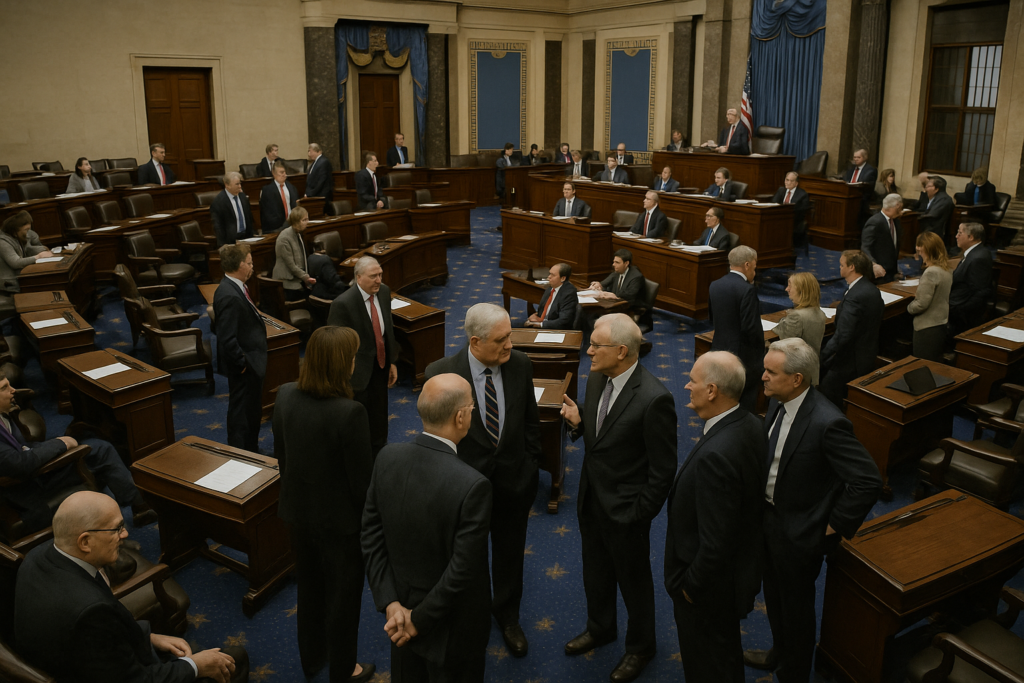
The Senate approved a war powers resolution concerning military engagement with Iran by a narrow 50-48 vote, following earlier action in the House. This measure, which garnered bipartisan support with four Republican senators joining the majority of Democrats, directs the removal of U.S. forces from hostilities involving Iran unless Congress grants authorization for military action.
The resolution has significant implications for U.S. foreign policy and the balance of power between Congress and the executive branch. The administration has expressed skepticism about the practical impact of the vote, raising questions about its enforceability and the potential for legal challenges. This ongoing debate highlights the complexities surrounding military engagement and the role of congressional oversight in such matters.
In Ann Arbor, the implications of this resolution resonate with many, particularly among military families and veterans who are directly affected by decisions regarding military action. The discourse surrounding war powers is particularly relevant as it underscores the importance of legislative oversight in matters of national security.
The recent vote has also spurred discussions among local officials and civic leaders about the need for greater transparency and accountability in military decisions. Many in Ann Arbor are advocating for more robust engagement from their representatives in Congress to ensure that the voices of constituents are heard in these critical discussions.
As the resolution moves forward, it is expected to face challenges both in the courts and in Congress, as differing interpretations of its legal significance emerge. The administration’s position suggests that it may not fully comply with the directive, potentially leading to a standoff between the executive and legislative branches.
This situation has prompted local leaders to reflect on the broader implications of military engagement and the necessity for ongoing dialogue about the role of Congress in authorizing military action. The nuanced perspectives from Ann Arbor’s community members, particularly those with ties to the military, add depth to the national conversation about war powers and the responsibilities of elected officials.
In the coming weeks, as discussions continue and the resolution’s fate unfolds, residents of Ann Arbor will be closely monitoring developments. The outcome of this legislative effort could shape not only U.S. foreign policy but also the local discourse surrounding military engagement and the responsibilities of elected representatives.
The Senate’s decision to pass this resolution marks a pivotal moment in the ongoing conversation about military powers and congressional oversight, reflecting a growing concern among citizens about the implications of U.S. military involvement abroad.