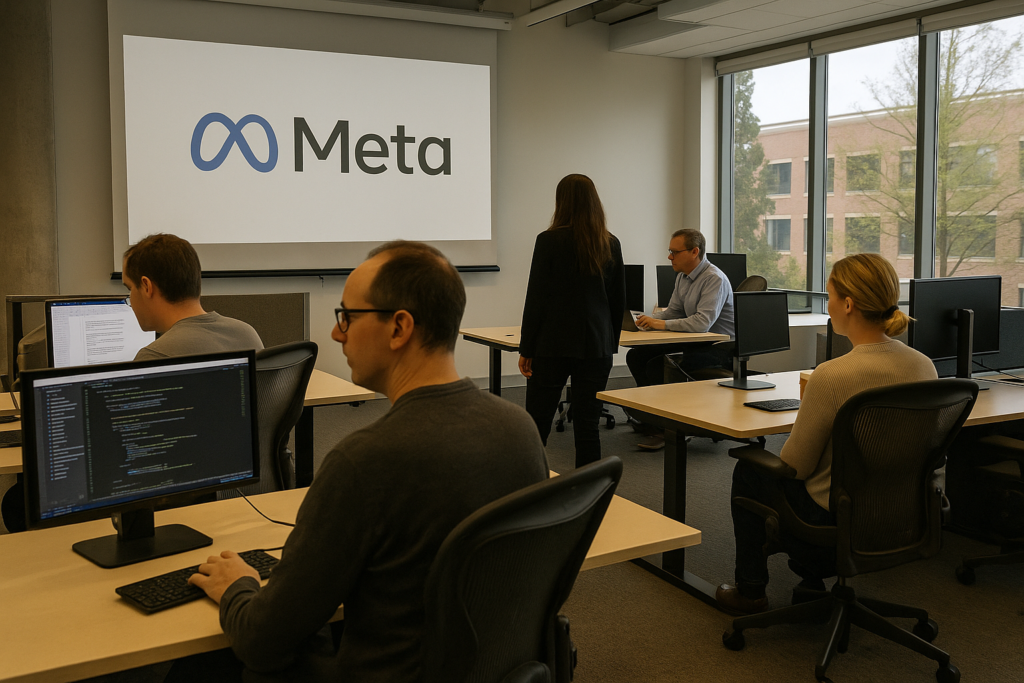
Meta Platforms Inc. is under increasing pressure to agree to voluntary reviews of its artificial intelligence models, as it has been identified as the only major U.S. AI developer that has not yet reached such an agreement. This development comes amid a broader discussion about AI safety, competition, and the need for government oversight in the rapidly evolving tech landscape.
The push for these model-review agreements highlights the growing scrutiny of AI technologies and their potential impacts on society. As AI systems become more integrated into everyday life, the demand for transparency and accountability has intensified. Critics argue that without proper oversight, companies like Meta may inadvertently contribute to harmful outcomes, whether through biased algorithms or inadequate safety measures.
Reports indicate that various stakeholders, including regulatory bodies and industry experts, are advocating for a standardized approach to AI model reviews. These reviews are intended to assess the safety and efficacy of AI technologies before they are deployed at scale. The absence of such agreements from Meta raises questions about its commitment to ethical AI practices and the company’s willingness to engage with regulatory frameworks designed to protect consumers and society at large.
The call for Meta to join its peers in these voluntary reviews reflects a significant shift in the tech industry, where collaboration on safety standards is becoming increasingly essential. As competitors move forward with their own compliance measures, Meta’s reluctance to participate could put it at a disadvantage in the eyes of consumers and regulators alike.
This situation has garnered attention not only within the tech community but also among policymakers who are grappling with how to effectively regulate AI technologies. The discussions surrounding AI safety are likely to shape future legislation and industry standards, making it crucial for companies like Meta to align themselves with emerging best practices.
In Ann Arbor, the implications of these developments are particularly relevant given the city’s status as a hub for technology and innovation, primarily driven by institutions such as the University of Michigan and various tech companies operating in the area. As the conversation around AI regulation evolves, local stakeholders may find themselves at the forefront of these discussions, influencing how AI technologies are developed and implemented in their communities.
The ongoing debate about AI model reviews not only highlights the challenges faced by tech giants like Meta but also underscores the importance of establishing a framework that ensures the responsible use of AI. As the landscape continues to change, it will be essential for companies to prioritize safety and transparency in their operations, particularly in a city like Ann Arbor that is increasingly reliant on technology-driven solutions.