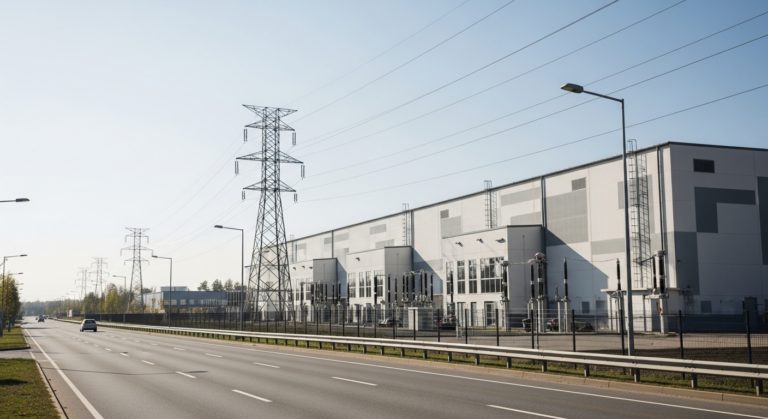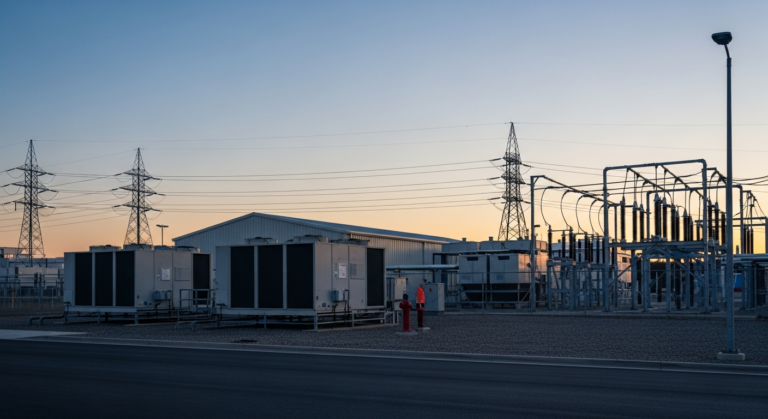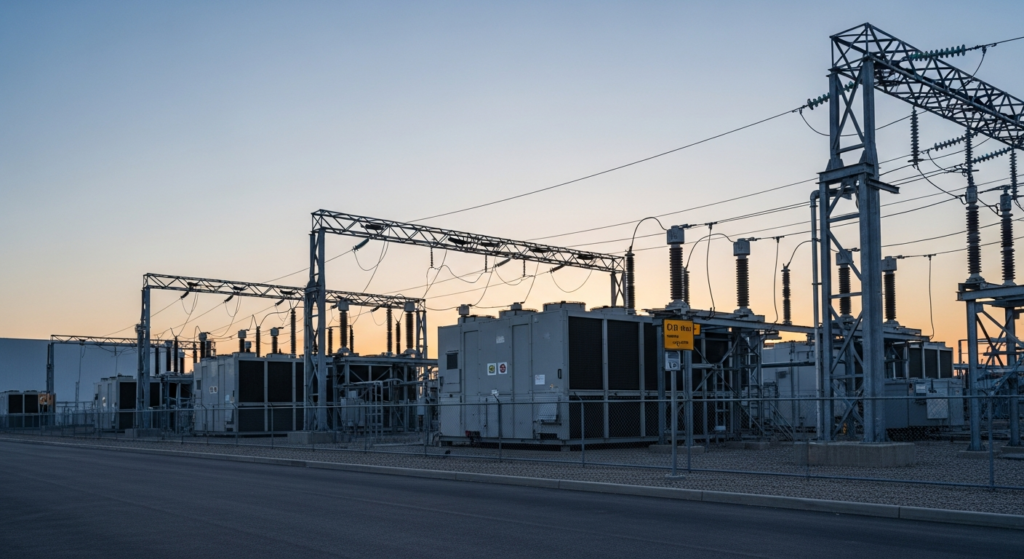
The current business and technology landscape is increasingly defined by the infrastructure required to support artificial intelligence. While the development of AI chips has garnered significant attention, the focus is now shifting to the fundamental constraints of power and hardware capacity. This evolution in the AI sector highlights a critical bottleneck: the ability of existing power grids and energy infrastructure to meet the immense demands of AI data centers.
Data centers, the physical hubs for AI computations, require substantial and continuous power. As AI applications become more pervasive across industries, the energy consumption of these facilities is escalating rapidly. This surge in demand places considerable pressure on utility companies and grid operators, necessitating proactive planning and significant investment in power generation, transmission, and distribution infrastructure. The conversation has moved beyond the availability of specialized processors to the more fundamental question of whether the energy supply can keep pace with the projected growth of AI-driven workloads.
This demand for power is not a theoretical concern but a tangible business challenge. Companies developing and deploying AI solutions must now factor in the availability and cost of energy as a primary consideration in their capital allocation and expansion strategies. The physical limitations of hardware, including servers, cooling systems, and networking equipment, are also becoming more prominent. Ensuring a stable and sufficient supply of these components, alongside the energy to run them, is crucial for the continued advancement and widespread adoption of AI technologies.
The implications of this infrastructure strain extend to the planning and development of new data centers. Site selection, regulatory approvals, and the integration with local power grids are becoming more complex. Utility providers are facing increased scrutiny and pressure to upgrade their systems and explore new energy sources to accommodate the growing needs of the technology sector. This dynamic is reshaping the business context for AI, emphasizing operational realities over purely technological innovation.
The focus on power and hardware capacity underscores a maturing phase in the AI industry. As the technology moves from research and development into large-scale deployment, the practicalities of infrastructure become paramount. This shift requires a collaborative approach between technology companies, energy providers, and regulatory bodies to ensure that the growth of AI is sustainable and does not outstrip the foundational resources it depends upon. The bottleneck has moved from the silicon chip to the electrical socket, fundamentally altering the strategic considerations for businesses invested in artificial intelligence.