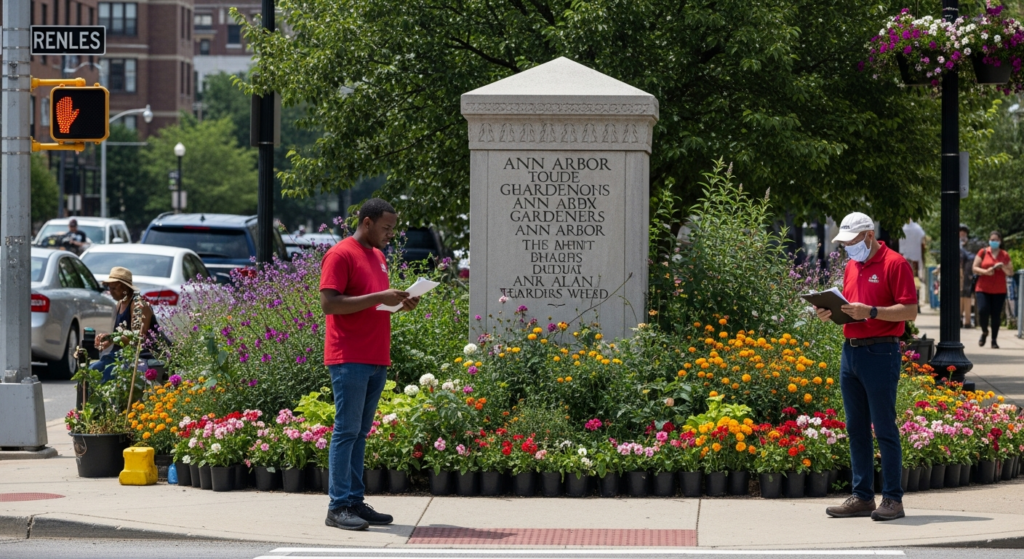
As the summer heat continues to affect Southeast Michigan, Ann Arbor gardeners are receiving guidance on how to best care for their plants during periods of high temperatures. Horticultural resources are focusing on two key areas: the impact of watering on plants during hot days and methods to reduce overall heat stress in gardens.
Concerns have been raised about whether watering plants when temperatures are at their peak can cause harm. Experts suggest that while plants need water, the timing and method of application are crucial. Watering during the hottest part of the day can lead to rapid evaporation, meaning less water reaches the plant’s roots. Furthermore, water droplets on leaves can act like tiny magnifying glasses, potentially scorching the foliage when exposed to intense sunlight.
Instead, it is often recommended to water plants in the early morning or late evening. These cooler periods allow water to penetrate the soil more effectively and be absorbed by the plant before it can evaporate. This approach not only conserves water but also ensures that plants are adequately hydrated to withstand the day’s heat.
Beyond watering, gardeners are also being advised on broader strategies to help plants cope with heat. This includes mulching around plants to retain soil moisture and keep roots cooler, providing temporary shade for particularly sensitive species, and ensuring plants are healthy and well-nourished before extreme heat arrives. Healthy plants are generally more resilient to environmental stressors.
Seasonal gardening guides for July are also highlighting these practices, offering a checklist of tasks and reminders tailored for hot-weather conditions. These guides aim to equip gardeners with the knowledge to maintain thriving gardens throughout the summer months in the Ann Arbor area.
Local horticultural extension offices and nurseries are valuable resources for region-specific advice. While general principles apply broadly, understanding local growing zones and common plant varieties can help tailor care. Information on regional growing zones, specific extension programs, and local nursery recommendations can provide Ann Arbor residents with the most pertinent advice for their gardens.