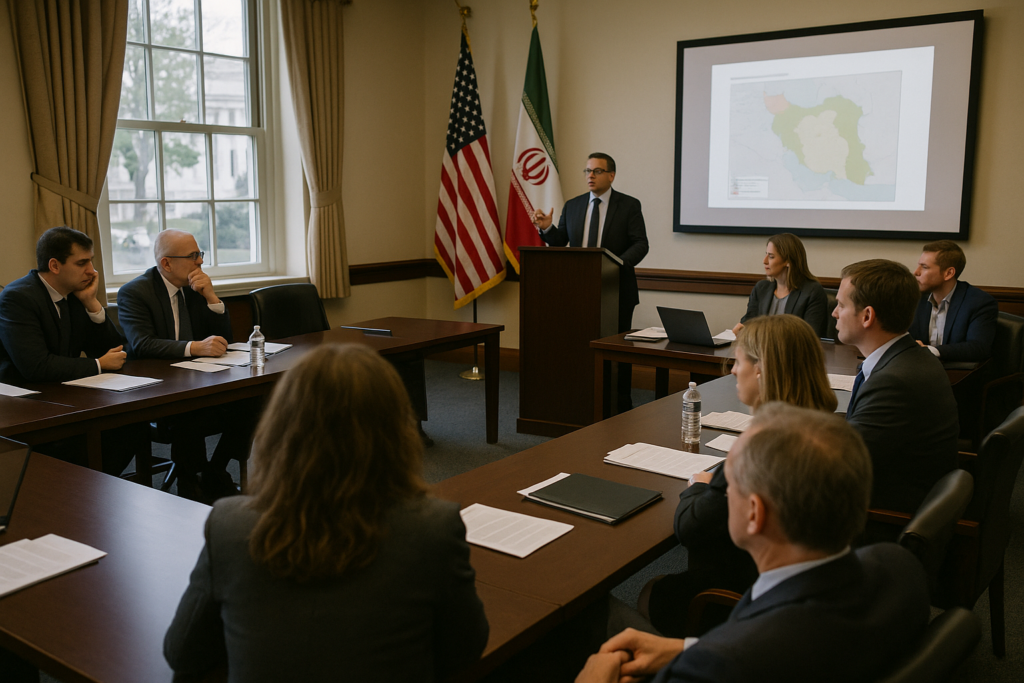
Recent developments in U.S.-Iran relations have brought renewed attention to the issue of sanctions waivers, which are intricately linked to ongoing diplomatic efforts and regional de-escalation strategies. Analysts are closely monitoring the situation, as any changes to these waivers could significantly impact energy flows and geopolitical dynamics.
The current discourse surrounding the waivers reflects a broader debate about how to leverage sanctions in the context of diplomacy. With tensions previously escalating around the Strait of Hormuz, the potential for a calmer phase in regional relations hinges on the outcome of these discussions. The stakes are high, not just for U.S.-Iran relations, but also for global energy markets, which are sensitive to fluctuations in oil supply and pricing.
Experts suggest that unwinding or extending sanctions relief will be legally and politically complicated. The intricate nature of these negotiations means that any decisions made will likely involve significant scrutiny from various stakeholders, including Congress and international partners. This complexity is compounded by the fact that energy markets are already reacting to the uncertainty surrounding U.S. sanctions policy.
In Ann Arbor, the implications of these developments could resonate through local industries that are sensitive to energy prices and international relations. The University of Michigan, as a major employer and research institution, may find its energy-related research and initiatives impacted by shifts in U.S. policy toward Iran. Additionally, local businesses that rely on stable energy prices could face challenges should sanctions relief lead to changes in the global oil market.
As discussions continue, the potential for a diplomatic breakthrough remains uncertain. The Biden administration’s approach to Iran has been characterized by a desire to re-engage diplomatically while also maintaining a firm stance on sanctions. This balancing act is crucial, as any perceived weakness could embolden adversaries and complicate future negotiations.
The situation is further complicated by the fact that sanctions waivers are not merely a matter of policy; they are also deeply intertwined with issues of national security and regional stability. The potential for military escalation remains a concern, and any missteps in the diplomatic process could have far-reaching consequences.
In summary, the ongoing negotiations surrounding Iran sanctions waivers are emblematic of the complex interplay between diplomacy, energy markets, and national security. As stakeholders in Ann Arbor and beyond watch closely, the outcomes of these discussions will likely shape not only U.S.-Iran relations but also the broader geopolitical landscape.